

IKEA is lying about being sustainable. Meet the team exposing them.
Their furniture is boring anyway.

You’re invited! Brussels Climate Drinks

🗓️ 29 April from 18h CEST
📍Mazette, Brussels
Join us on the 29th April for another round of Brussels Climate Drinks! Anyone interested in climate justice is welcome. Networking optional. Fossil fuel lobbyists not invited. Info and free RSVP here.
Convenience has never really interested me.
One time I went to a guy’s place for drinks and it looked like a showroom: white walls, white bed, white tables, no soul. It was full but it was empty.
“Oh yeah,” he said, “I just got everything from IKEA in one shop. It’s super convenient.”
He worked for the private sector, by the way. They paid for it. He was so proud and I was so bored, so uninspired.
I furnished my apartment almost completely second-hand, without a car. Sounds like a flex but when you’re begging friends to drag a sofa up two flights of stairs with you, or taking up all the space on the bus because you’re holding an entire table, it feels anything but cool.
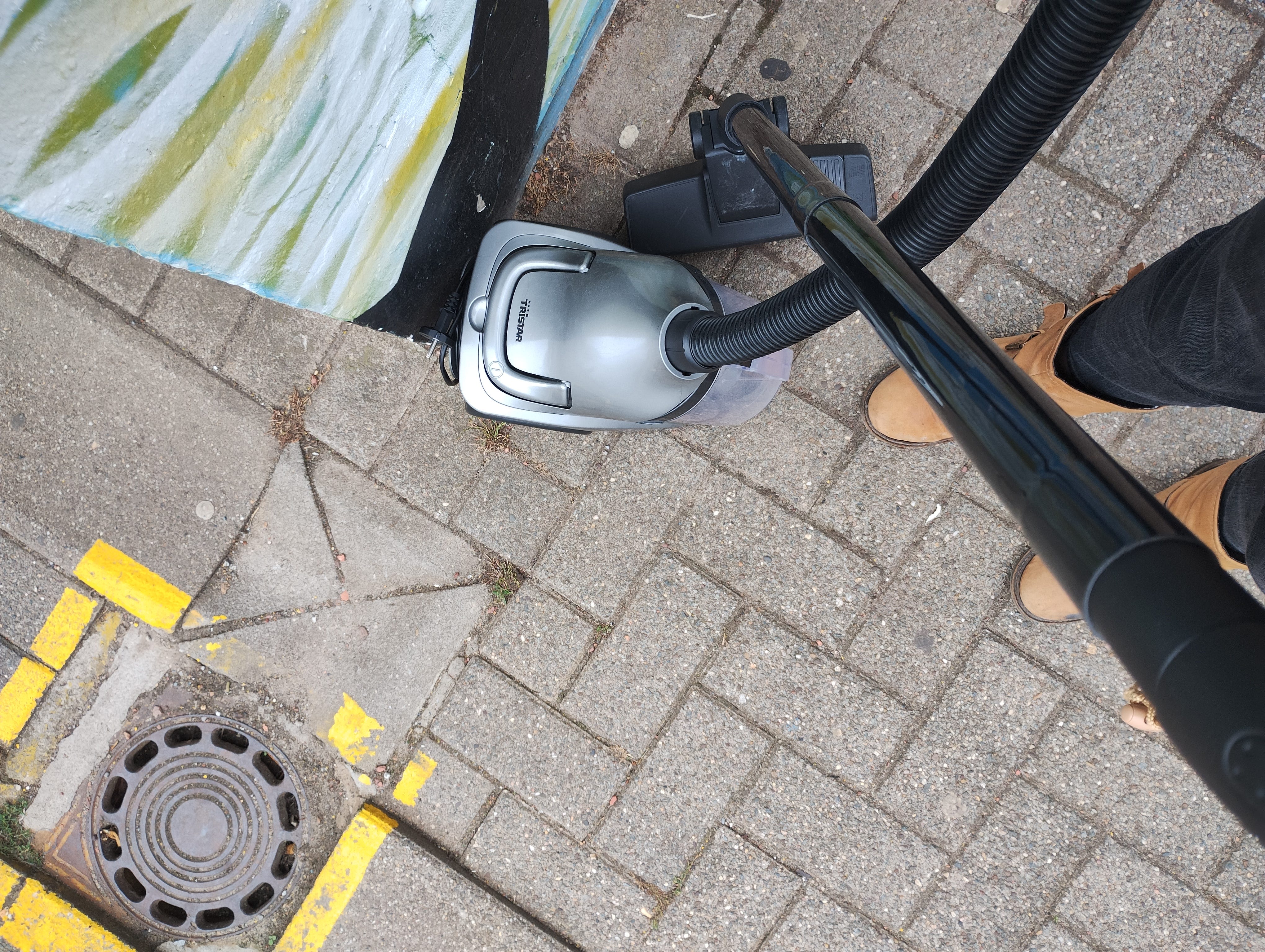
“Wouldn’t it be more convenient to just order some things online? Like just the essentials. You can replace them later,” more than one person told me.
Yes, yes it would. It would be more convenient to order fast furniture online, to spend 250 EUR for a two-hour Eurostar home rather than a 30 EUR bus ride of 7 hours and sit at home staring at a screen four hours early. It would be more convenient to order all food delivered, to buy my own tools rather than suffer the awkwardness of asking neighbours who look at me like I’ve lost the plot. It would be more convenient to stay at home and talk to nobody and spend, consume, and skip all the awkward, exhausting, interesting, unpredictable elements in life that make our stories unique.
I can sense the binary counterarguments with all the exceptions to this. Let me stop you there. Picking convenience as a necessity out of accessibility, limited time or money is at times inevitable for all of us.
But convenience as a first priority sucks. It sucks the soul out of our homes - black-and-white minimalist grey becoming the norm in a homogenised corporate-imposed image of home. It sucks the soul out of our relationships as we retreat from discomfort and place boundaries that feel more like a cage.

And it kills - the cost of convenient consumerism is a planet that dies faster too. And for what? For us to have the same nightstand as everyone else on the street?
Just a little effort to escape the convenience trap unleashes far greater rewards. No IKEA fast-built and fast-dismantled life for me.
What’s Going On?
Online men’s ‘rape academy’ forum attracted 62 million visitors in a month.
Reflections of a Lebanon aid worker on holding on while everything collapses
‘Reverse-gentrify the country’: how Black and Indigenous intentional communities are reclaiming land
$30m an hour: big oil reaping huge war windfall from consumers, analysis finds
If you’d like to support The Green Fix, please consider becoming a paid subscriber to receive extra essays on climate justice in everyday life. You can also tip us a virtual coffee.
Focus On: IKEA’s sustainability lies
Cass Hebron spoke to Maia Wikler from the team producing Wild East, a documentary exposing IKEA’s links to deforestation in Romania’s forests.
My name is Maia Wikler, I’m the director of the short documentary Wild East. I’m also a writer and Ph.D. candidate in Political Ecology at the University of Victoria. My research focuses on memory as a tool of resistance in the face of corporate abuse, specifically deforestation and the climate crisis.
I met producer Audrey Popa in my Ph.D. graduate program - when Audrey told me about the environmental crisis unfolding in Romania, where her family is from, I felt a responsibility to make this film together. We made this film to expose the reality that old-growth forests are being turned into flatpack furniture for companies like IKEA.
This film follows Gabi Paun, a Romanian environmental activist who risks his life to expose this story and protect what little remains of these forests.
How is IKEA linked to deforestation in Romania and the ‘timber mafia’?
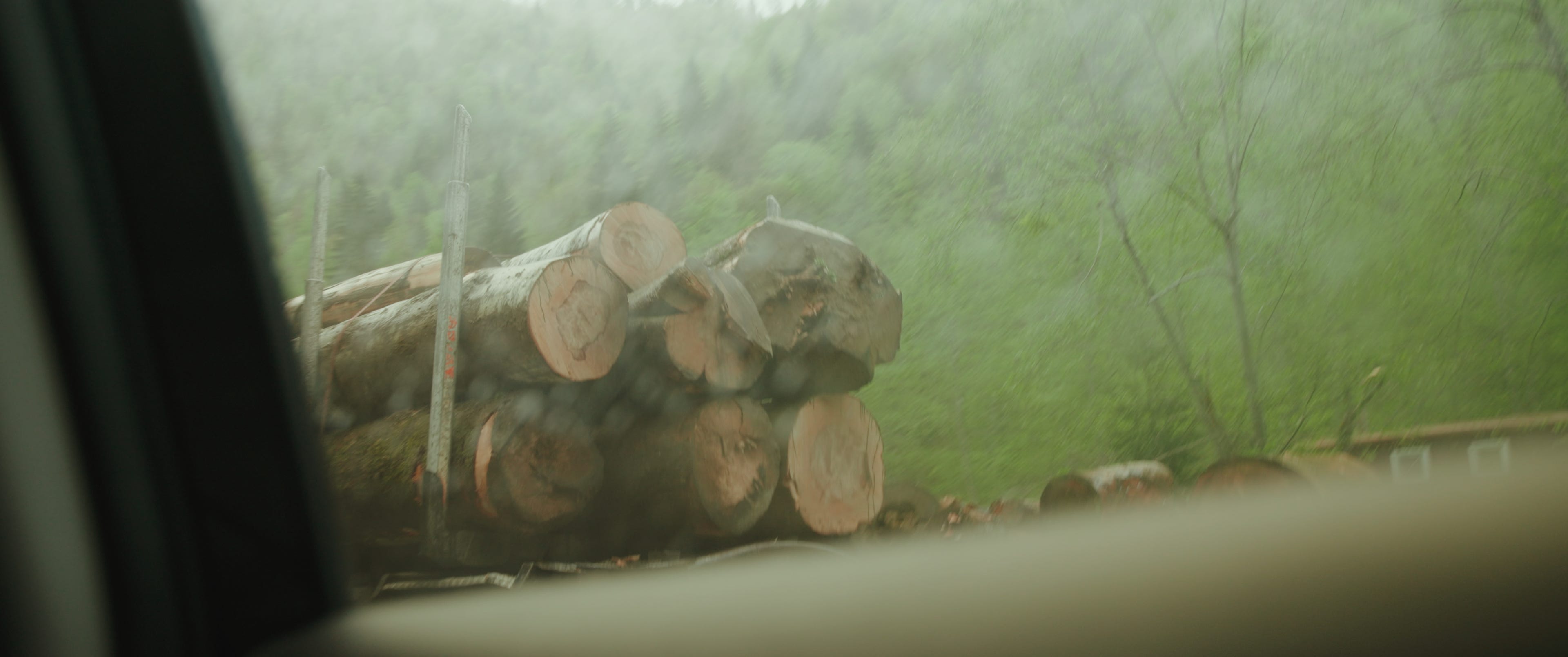
IKEA is linked to deforestation in Romania through its sourcing of wood from illegally logged forests by the timber mafia. Investigations by environmental organizations, including Agent Green, the Bruno Manser Fonds, and Greenpeace Romania, found evidence that IKEA has sourced timber from Romania’s national forests and even from EU-protected Natura 2000 biodiversity sites.
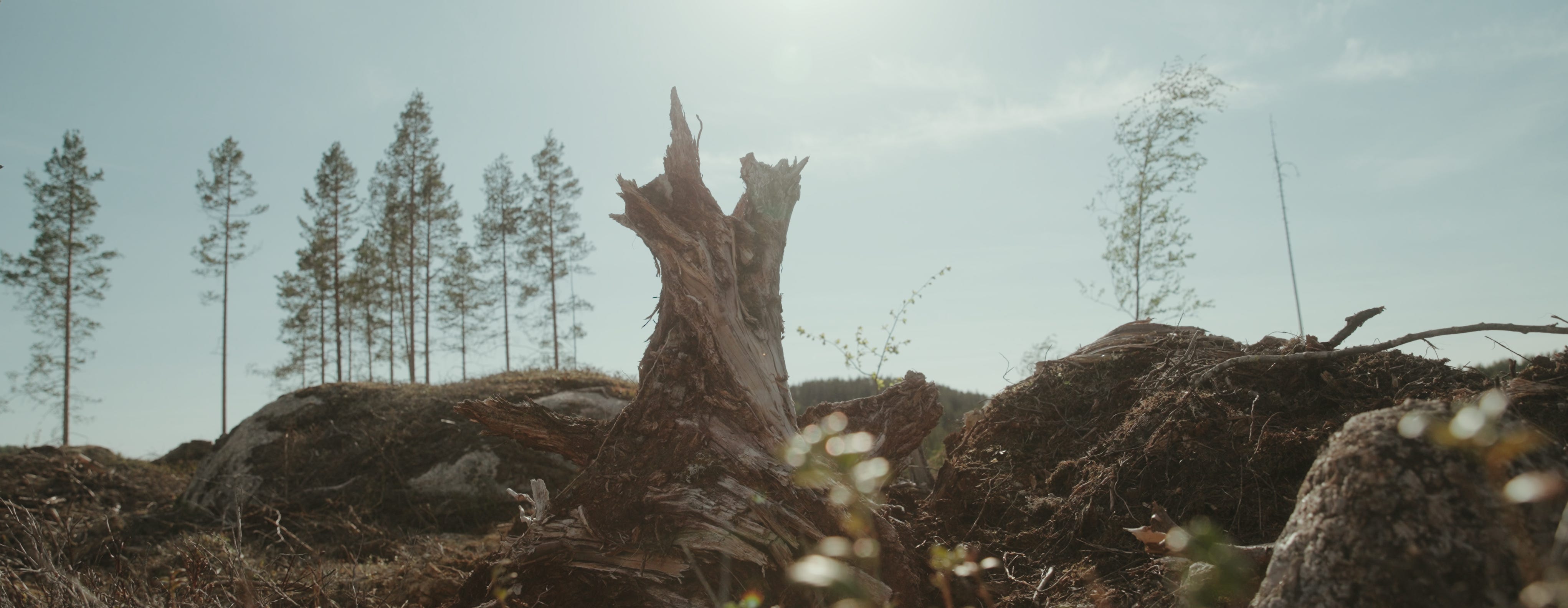
Agent Green’s 2024 report concluded that forests rich in biodiversity have been fragmented, degraded, and in some cases reduced to barren landscapes, with wood from these areas entering IKEA’s supply chain. IKEA is well aware of the volatility of the region and supply chain; our film’s key characters have met with IKEA representatives in person to explain firsthand what is happening on the ground in Romania.
The issue is a result of corruption in Romania’s forestry sector. Since the fall of communism in 1989 and Romania’s entry into the EU in 2007, the country’s forests have become increasingly vulnerable to land grabs and commercial exploitation. During this period, large tracts of forest were acquired by private interests, and IKEA became the largest private forest owner in Romania.
The term “timber mafia” refers to the powerful networks involved in illegal logging, corruption, and violence surrounding the timber trade. In Romania, these groups have been linked to threats and attacks against forest rangers, activists, and investigators, with multiple reported deaths and hundreds of violent incidents.
What are the impacts of this illegal logging on local communities and the environment?
It has contributed to the degradation and fragmentation of old-growth forests in the Carpathian region, including some of Europe’s last remaining intact forest ecosystems. This has led to biodiversity loss, habitat destruction, soil erosion, and reduced carbon sequestration capacity. In many cases, forest landscapes have been replaced by clear-cut or heavily degraded areas.
“I just remember the places where I used to grow up in the Carpathians, where there were intact forest landscapes. Suddenly, after 2000, the companies came and started to cut… [Now] I can’t recognize the places. I immediately get disoriented.” Gabi Paun
The impacts on local communities and those working in forest protection are also significant. Individuals involved in monitoring, documenting, or opposing illegal logging activities face serious risks. According to Silva Trade Union Federation, Romania’s forestry union, at least six patrolmen from Romania’s Forest Guard have been killed in recent years, and more than 650 violent incidents, including assaults, shootings, and other attacks, have been registered in connection with forestry-related conflicts.
Public officials have also been targeted. Doina Pana, a former Romanian minister, resigned due to health issues after she stated she survived mercury poisoning, which she believes was linked to her efforts to address illegal logging. Gabriel Paun has also been the target of multiple attacks and threats related to his investigations into deforestation and illegal timber networks.
How has IKEA managed to develop a reputation for sustainability, despite this illegal logging?
IKEA has been very effective at building a global reputation as a sustainability leader through branding and strategic philanthropy. IKEA benefits from operating in places where forest deforestation often receives limited international scrutiny, particularly in Eastern Europe and Russia, allowing these issues to remain less visible to global audiences (see other examples in Ukraine and Russia).
IKEA’s public-facing sustainability campaigns and the work of the IKEA Foundation, which supports environmental initiatives and storytelling projects worldwide, reinforce IKEA’s positive public reputation.
IKEA claims compliance with national and EU regulations, as well as its certification through the Forest Stewardship Council (FSC). However, environmental groups, including Agent Green and Greenpeace, have alleged that IKEA’s logging practices in high-conservation-value forests undermine biodiversity protections. FSC has also faced criticism over potential conflicts of interest related to IKEA’s historical role in its founding.
What have local activists been doing to expose this? What is the response like?
Local activists and environmental organizations in Romania have been working for years to expose illegal logging, corruption, and the destruction of old-growth forests.

For more than a decade, Gabi and his team at Agent Green have been investigating illegal logging networks, exposing links between the timber mafia and major corporate supply chains, and advocating for stronger protections for Romania’s remaining forests. Their efforts have included traditional protests/sit-ins, formal reports documenting illegal logging, and media outreach both in the country and internationally.
What are the challenges you face developing this documentary, and how can our readers support you?
The biggest challenge we face right now is completing the final stages of post-production so that the film can be shared with audiences around the world. While editing is now complete, there are still several essential costs that need to be finished before we can share this film further, including: colour grading, graphics, legal fees, music licensing, insurance, and film festival submissions.
We want this film to be seen by as many people as possible, to bring international attention to the destruction of Romania’s old-growth forests and the people risking their lives to protect them. If you are in the position to donate, every little bit goes a long way.
And if financial support isn’t possible, sharing our campaign within your network would be a huge help. It just takes a few people in everyone’s network who might be in the position to support the project that will get us across the finish line. Like the film-making process, fundraising is a collective effort and together we can do it!
Volunteer with us!
We’re looking for a community engagement volunteer in The Green Fix team who can help us build a community with our readers and increase how interactive we are. We are Europe-based but volunteers can be based anywhere. For more information and expression of interest, please email wearethegreenfix@gmail.com.
Inclusive translations for non-profits and ethical businesses

Marina of Aire Translations is a translator and subtitler providing inclusive translations from English and Japanese into her native Spanish and Catalan, as well as other language services such as subtitling, editing and sensitivity reading.
She helps NGOs, ethical businesses and audiovisual creators tackle climate change and social inequalities and tell stories that change the world.
Check out her website for information, and get in touch to discuss a project!
Book your sponsored slot by emailing wearethegreenfix@gmail.com.
So Now What Do I Do?
LEARN SOMETHING
Today! Join a free webinar on ‘How to meet the times’ by advaya.
Tomorrow: Tune into this webinar on Climate Narratives @ 16h CEST.
The Critical Pathways Fellowship by Utrecht University is open for applications by anyone challenging the status quo. Deadline 27th April.
DO SOMETHING
Calling writers! Submit your short story on sustainable social transformation for the chance at a writing retreat. Deadline 30th April.
France: Register for the conference on Banning Fossil Ads in Lyon, 2nd-3rd May.
Belgium: Save the Date! New national strike on the 12th May.
Stay in the loop
You can follow us on Instagram, Bluesky and LinkedIn. Connect with Cass on Instagram and LinkedIn.
Thanks for this. Great to hear about this new documentary about IKEA's destruction - and FSC's greenwashing of IKEA. I've been following (and writing about) other documentaries about IKEA, collected here: https://reddmonitor.substack.com/t/ikea
There's actually a lot of male ER nurses that rely on IKEA bookshelves for their mental wellbeing, but I don't see you addressing any of this? h